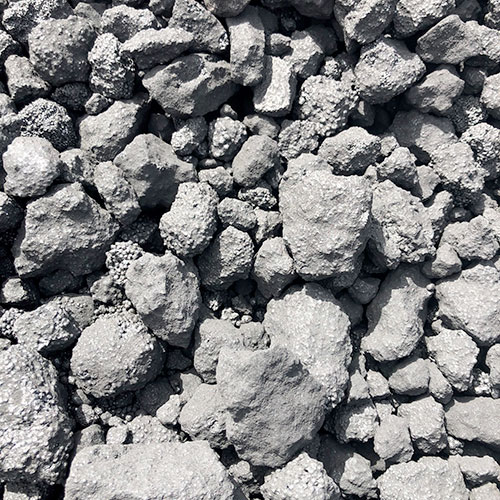
IMARC Group’s latest report, titled “Petroleum Coke Market Size, Share, Trends and Forecast by Type, Application, and Region, 2025-2033”, offers a comprehensive analysis of the petroleum coke market share. The report also includes competitor and regional analysis, along with a breakdown of segments within the industry. the global petroleum coke market size was valued at USD 26.97 Billion in 2024. Looking forward, IMARC Group estimates the market to reach USD 46.33 Billion by 2033, exhibiting a CAGR of 6.14% during 2025-2033. Asia-Pacific currently dominates the market, holding a significant market share of over 45.1% in 2024. The market growth is driven by the increasing demand from the aluminum industry, the expanding power generation sectors, and the rising use of petroleum coke as a cost-effective fuel alternative in various industries. Collectively, these factors are increasing the petroleum coke market share across the globe.
Request Free Sample Report (Exclusive Offer on this report): https://www.imarcgroup.com/petroleum-coke-market/requestsample
Rising Demand from the Cement and Power Generation Industries:
One of the most influential dynamics propelling the growth of the petroleum coke market is the rising demand from the cement and power generation industries worldwide. Petroleum coke, particularly fuel-grade coke, has gained significant traction as an efficient and cost-effective energy source for cement kilns and thermal power plants. The high calorific value of petroleum coke makes it a preferred substitute for coal, especially in regions experiencing supply constraints or regulatory pressures on coal usage. As infrastructure development accelerates in emerging economies such as India, China, Indonesia, and parts of Africa, the demand for cement, steel, and related construction materials is witnessing substantial growth. This, in turn, fuels the need for petroleum coke as a reliable, high-energy fuel source that can support the continuous operations of energy-intensive manufacturing processes.
Furthermore, petroleum coke’s lower cost relative to conventional fossil fuels makes it an economically viable alternative, especially in developing regions where cost-efficiency in energy consumption remains a priority for industrial operations. Additionally, many countries are focusing on diversifying their energy mix to ensure energy security, with petroleum coke offering a supplementary energy option alongside traditional sources. However, this growing demand is also met with increasing scrutiny over carbon emissions and environmental sustainability, driving parallel investments in emission control technologies. The intersection of affordability, energy efficiency, and expanding industrial applications firmly positions petroleum coke as a critical component in meeting the energy demands of fast-developing industrial sectors globally.
Technological Advancements and Quality Enhancements in Petroleum Coke Production:
Technological advancements in refining processes and quality control have become key dynamics shaping the future growth trajectory of the petroleum coke market. Modern delayed coking technologies have significantly improved the yield and quality of petroleum coke produced at refineries, enhancing its suitability for both industrial fuel and metallurgical applications. Innovations in coking unit designs, such as advanced feedstock pre-treatment and process optimization, are enabling refiners to produce petroleum coke with lower sulfur content, higher carbon purity, and improved thermal stability. This is particularly crucial in regions where stringent environmental regulations are prompting end-users to shift towards cleaner-burning fuel alternatives.
Moreover, advancements in blending and grading techniques have allowed manufacturers to tailor petroleum coke products to specific end-user requirements, especially for specialized applications like graphite electrode production in aluminum and steel industries. Another important development is the integration of emission reduction systems, such as flue gas desulfurization (FGD) and particulate capture technologies, which allow for the continued use of petroleum coke without breaching environmental compliance standards. These technological innovations are not only enhancing the competitiveness of petroleum coke against other fossil fuels but also expanding its appeal to environmentally conscious industries seeking to balance operational efficiency with sustainability commitments. As refining capacities increase across developing markets, supported by strategic investments in infrastructure modernization, the petroleum coke market is poised to benefit from improved product consistency, enhanced supply reliability, and broader application potential across industrial sectors.
Global Trade Dynamics and Strategic Supply Chain Developments:
The petroleum coke market is increasingly shaped by evolving global trade dynamics and strategic developments in supply chain management. With petroleum coke being a byproduct of oil refining, its availability is directly influenced by crude oil refining activities and regional refining capacities. Major petroleum coke exporters, including the United States, Saudi Arabia, and Venezuela, play critical roles in supplying global demand, particularly to rapidly industrializing nations in Asia-Pacific and the Middle East. Fluctuations in crude oil prices, geopolitical developments, and regulatory changes significantly impact the global trade flow of petroleum coke, leading to price volatility and shifts in sourcing strategies among importing countries. To mitigate risks associated with supply disruptions and pricing uncertainties, many industrial consumers are entering into long-term procurement agreements with producers and establishing diversified supplier networks.
Furthermore, the expansion of deepwater ports and bulk handling infrastructure in key consuming regions has streamlined the logistics associated with petroleum coke transportation, enhancing supply chain efficiency. Trade policies, particularly those related to environmental standards and tariffs, are also influencing global petroleum coke trade patterns, prompting suppliers to prioritize markets with favorable regulatory environments. Sustainability considerations have introduced an additional layer of complexity, as some regions impose restrictions on high-sulfur petroleum coke imports, incentivizing producers to invest in desulfurization processes to maintain market access. As the global energy landscape evolves, the petroleum coke market is poised to adapt through strategic supply chain resilience, optimized trade logistics, and closer integration between producers and end-users, ensuring stable market performance despite external economic and geopolitical challenges.
Leading Key Players Operating in the Petroleum Coke Industry:
- BP Plc
- Chevron Corporation
- ConocoPhillips
- Exxon Mobil Corporation
- HPCL – Mittal Energy Limited
- Indian Oil Corporation Ltd.
- Marathon Petroleum Corporation
- Royal Dutch Shell PLC
- Saudi Arabian Oil Co.
- Trammo Inc.
- Valero Energy Corporation
Petroleum Coke Market Trends:
The petroleum coke market is witnessing a transformation fueled by evolving industrial demands, regulatory pressures, and advancements in production technologies. A prominent trend is the increasing focus on producing low-sulfur petroleum coke to address environmental concerns and meet stricter emission norms in key markets. This shift is driving refiners to adopt advanced desulfurization techniques, ensuring that petroleum coke remains a viable option for industries operating under stringent environmental guidelines. Another key trend is the growing utilization of petroleum coke in metallurgical applications, particularly in the production of aluminum and steel, where its high carbon content supports efficient smelting processes. The diversification of application areas is also expanding, with petroleum coke being explored for use in carbon anodes, electrodes, and other high-value carbon products, further enhancing its market potential.
Additionally, global trade dynamics are influencing consumption patterns, with developing regions increasingly relying on petroleum coke imports to fuel their industrial growth, while developed regions are focusing on balancing usage with environmental sustainability targets. Technological advancements in refining operations and logistics are further streamlining supply chains, enabling faster and more reliable distribution of petroleum coke across international markets. As industries continue to prioritize operational efficiency alongside compliance with sustainability mandates, the petroleum coke market is poised for steady growth, supported by innovation, diversification of end uses, and adaptive supply chain strategies.
Ask Analyst for Instant Discount and Download Full Report with TOC & List of Figure: https://www.imarcgroup.com/petroleum-coke-market
Key Market Segmentation:
Analysis by Type:
- Fuel Grade Coke
- Calcined Coke
Analysis by Application:
- Power Plants
- Cement Kilns
- Steel
- Aluminum
- Fertilizer
- Others
Breakup by Region:
- North America (United States, Canada)
- Asia Pacific (China, Japan, India, Australia, Indonesia, Korea, Others)
- Europe (Germany, France, United Kingdom, Italy, Spain, Others)
- Latin America (Brazil, Mexico, Others)
- Middle East and Africa (United Arab Emirates, Saudi Arabia, Qatar, Iraq, Other)
Key Highlights of the Report:
- Market Performance (2019-2024)
- Market Outlook (2025-2033)
- Porter’s Five Forces Analysis
- Market Drivers and Success Factors
- SWOT Analysis
- Value Chain
- Comprehensive Mapping of the Competitive Landscape
About Us:
IMARC Group is a leading market research company that offers management strategy and market research worldwide. We partner with clients in all sectors and regions to identify their highest-value opportunities, address their most critical challenges, and transform their businesses.
IMARC’s information products include major market, scientific, economic and technological developments for business leaders in pharmaceutical, industrial, and high technology organizations. Market forecasts and industry analysis for biotechnology, advanced materials, pharmaceuticals, food and beverage, travel and tourism, nanotechnology and novel processing methods are at the top of the company’s expertise.
Contact Us:
IMARC Group
134 N 4th St. Brooklyn, NY 11249, USA
Email: sales@imarcgroup.com
Tel No:(D) +91 120 433 0800
Americas:- +1 631 791 1145 | Africa and Europe :- +44-702-409-7331 | Asia: +91-120-433-0800, +91-120-433-0800
 Site Title
Leave a comment